Global Japanese Sushi Rolls
Highlighted under: International Spices
I find making sushi a joyous and creative experience that brings my family together. Each time I prepare these Global Japanese Sushi Rolls, it feels like an adventure through flavors and cultures. The combination of fresh ingredients and unique flavor profiles allows each roll to tell a story. I love using a variety of fillings and toppings to create a meal that’s not only visually stunning but bursting with taste. Whether it’s a casual dinner or a special occasion, sushi always adds a special touch.
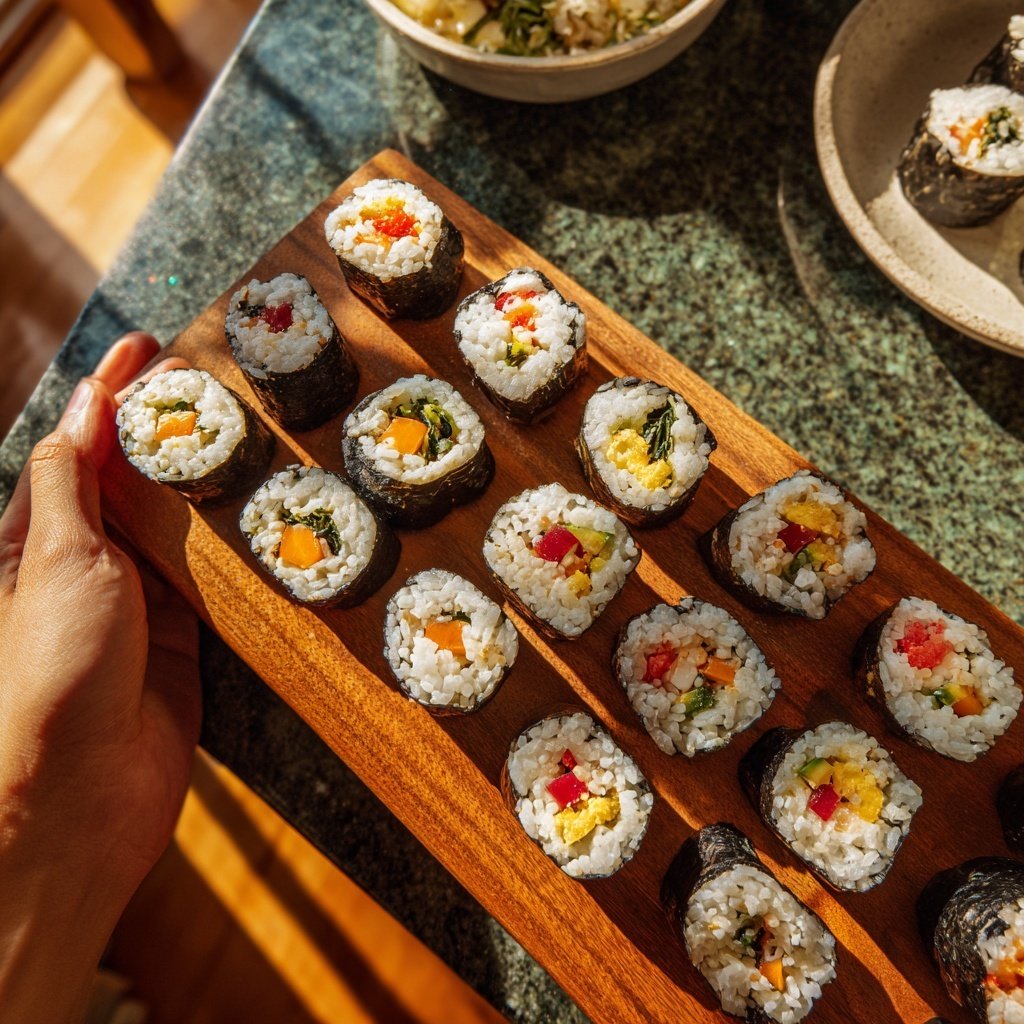
Making Global Japanese Sushi Rolls is not just about assembling ingredients but embracing a culinary journey. I often experiment with various fillings, like avocado, crab, and even spicy tuna, each adding a different twist to the classic dish. Using fresh ingredients is essential, and I believe that choosing high-quality sushi rice makes a significant difference. The right texture and flavor can elevate the experience from good to unforgettable.
One tip I’ve picked up over time is to prepare my ingredients ahead of time and keep everything organized, which makes rolling a breeze. I love including colorful vegetables like cucumber and bell peppers for a crunchy contrast. The joy is in the details, and mastering the rolling technique has changed my way of enjoying sushi.

Why You'll Love These Sushi Rolls
- A fusion of traditional flavors and global influences
- Perfect for sharing with friends and family
- Customizable to suit any taste or dietary preference
Understanding Sushi Rice
Sushi rice is the foundation of any great sushi roll, and its preparation is key to achieving the perfect texture. Rinsing the rice is crucial; it removes excess starch and prevents the rice from becoming overly sticky during cooking. After rinsing, using a rice cooker ensures even cooking, and letting the rice cool slightly before incorporating the vinegar mixture is vital for flavor absorption. You'll know it's ready when the grains appear glossy but not mushy.
Balancing flavors in sushi rice is essential. The mixture of rice vinegar, sugar, and salt adds the necessary tang and sweetness, enhancing the overall sushi experience. If you like a more pronounced vinegar taste, feel free to adjust the vinegar quantity slightly, keeping in mind that this will change the overall flavor profile of your rolls.
Choosing and Preparing Fillings
When it comes to fillings, fresh ingredients are paramount. For instance, ripe avocados should yield slightly when pressed; this indicates they're perfect for slicing. The cucumber adds a refreshing crunch, and it's best to julienne it to maintain an even texture in each bite. If using crab meat or spicy tuna, ensure that it's sustainably sourced, as quality seafood significantly enhances the flavor of your rolls.
To customize your rolls, don't hesitate to experiment with other fillings like roasted vegetables or tofu for a vegetarian option. If you're looking for additional heat, incorporating jalapeño or a drizzle of sriracha will liven up your sushi. Just remember to keep the fillings in line with the overall theme of your roll to maintain harmony in flavors.
Ingredients
Ingredients
Sushi Rice and Wrapping
- 2 cups sushi rice
- 2.5 cups water
- 1/4 cup rice vinegar
- 1 tablespoon sugar
- 1 teaspoon salt
- 4 sheets nori (seaweed)
Fillings
- 1 avocado, sliced
- 1 cucumber, julienned
- 4 ounces crab meat (or imitation crab)
- 4 ounces spicy tuna (optional)
- Pickled ginger (for serving)
- Soy sauce (for serving)
- Wasabi (for serving)
Instructions
Instructions
Step-by-Step Instructions
Prepare the Sushi Rice
Rinse the sushi rice under cold water until the water runs clear. Combine the rice and water in a rice cooker and cook according to the manufacturer's instructions. Once cooked, let it cool slightly before mixing in the rice vinegar, sugar, and salt.
Assemble the Sushi Rolls
Place a sheet of nori shiny side down on a bamboo sushi mat. Wet your hands with water to prevent sticking, then spread a thin layer of sushi rice over the nori, leaving a 1-inch border at the top. Lay your chosen fillings horizontally across the rice.
Roll It Up
Using the mat, carefully roll the sushi away from you, keeping it tight. Once rolled, use a sharp knife to slice the roll into bite-sized pieces, wiping the blade between cuts for clean edges.
Serve
Arrange the sushi rolls on a platter and serve with pickled ginger, soy sauce, and wasabi on the side.
Pro Tips
- Experiment with different fillings and sauces to personalize your sushi rolls. For a spicy kick, try adding sriracha or spicy mayo to your fillings.
Storage and Make-Ahead Tips
Sushi rolls are best enjoyed fresh, but if you have leftovers, storing them properly is key to maintaining their taste and texture. Wrap each roll in plastic wrap to prevent the nori from becoming soggy and store them in the refrigerator for up to 24 hours. When ready to serve, slice them cold; warm rolls can become mushy.
If you're planning to make sushi ahead of time, consider preparing the sushi rice and cutting your fillings earlier in the day. Store the rice in an airtight container at room temperature, while the fillings should be kept in the fridge. This way, you can assemble your sushi rolls just before serving, ensuring a fresher flavor profile.
Serving Suggestions
To elevate your sushi experience, think beyond just soy sauce and wasabi. Consider serving your rolls with a side of ponzu sauce for a citrusy zing or a spicy mayo blend for a creamy contrast. Garnishing with sesame seeds or sliced green onions not only enhances the visual appeal but also adds textural depth to each bite.
For a complete meal, pair the sushi rolls with a simple miso soup or a fresh seaweed salad. This balance of flavors and textures will delight your guests and transform a casual sushi night into a memorable dining experience.
Questions About Recipes
→ Can I use regular rice instead of sushi rice?
For the best texture and flavor, it's recommended to use sushi rice, as it has the right stickiness for rolling.
→ What if I don’t have a sushi mat?
A clean towel or parchment paper can be used as a makeshift rolling mat, but take care to roll tightly.
→ How can I make sushi vegetarian?
Substitute traditional fillings with vegetables like avocado, bell peppers, and carrots for a delicious vegetarian option.
→ How should I store leftover sushi?
Sushi is best enjoyed fresh, but if you have leftovers, wrap them tightly in plastic wrap and refrigerate for up to 24 hours.
Global Japanese Sushi Rolls
Created by: The Chefdeanfoods Team
Recipe Type: International Spices
Skill Level: Intermediate
Final Quantity: 4 rolls
What You'll Need
Sushi Rice and Wrapping
- 2 cups sushi rice
- 2.5 cups water
- 1/4 cup rice vinegar
- 1 tablespoon sugar
- 1 teaspoon salt
- 4 sheets nori (seaweed)
Fillings
- 1 avocado, sliced
- 1 cucumber, julienned
- 4 ounces crab meat (or imitation crab)
- 4 ounces spicy tuna (optional)
- Pickled ginger (for serving)
- Soy sauce (for serving)
- Wasabi (for serving)
How-To Steps
Rinse the sushi rice under cold water until the water runs clear. Combine the rice and water in a rice cooker and cook according to the manufacturer's instructions. Once cooked, let it cool slightly before mixing in the rice vinegar, sugar, and salt.
Place a sheet of nori shiny side down on a bamboo sushi mat. Wet your hands with water to prevent sticking, then spread a thin layer of sushi rice over the nori, leaving a 1-inch border at the top. Lay your chosen fillings horizontally across the rice.
Using the mat, carefully roll the sushi away from you, keeping it tight. Once rolled, use a sharp knife to slice the roll into bite-sized pieces, wiping the blade between cuts for clean edges.
Arrange the sushi rolls on a platter and serve with pickled ginger, soy sauce, and wasabi on the side.
Extra Tips
- Experiment with different fillings and sauces to personalize your sushi rolls. For a spicy kick, try adding sriracha or spicy mayo to your fillings.
Nutritional Breakdown (Per Serving)
- Calories: 280 kcal
- Total Fat: 8g
- Saturated Fat: 1g
- Cholesterol: 20mg
- Sodium: 530mg
- Total Carbohydrates: 47g
- Dietary Fiber: 5g
- Sugars: 4g
- Protein: 9g